
What Shooting Thousands of Properties Taught Me About Photography
Working as a property photographer means dealing with a different situation every time you walk through the door. I can photograph anywhere from one to three properties a day, five days a week, and I’ve been doing that for the past seven or eight years from writing this Field Note. Over that time, I’ve photographed thousands of homes. Every property is different. Every room is different. The space changes, the light changes, and the conditions change. And somewhere within all that repetition, I’ve learned a lot about photography.
Repetition builds photographic instinct
One of the biggest things repetitive work has taught me is how to work intuitively. When you photograph the same type of subject over and over again, eventually you stop consciously thinking about every technical decision. Where should I put the camera? What aperture do I need? What shutter speed should I use? What is the light doing? Those decisions start to happen naturally. You begin noticing light, colour and composition without giving them as much deliberate thought. That carries across into other areas of photography too. I love photographing cars, and although that sits much more within my personal photography than my professional work, the same instincts apply. The more you photograph, the more you begin to understand what catches your eye. I also think this is where personal style starts to develop. Photographers can put a lot of effort into trying to find a style, but I think style is more likely to come from working intuitively than deliberately chasing one.
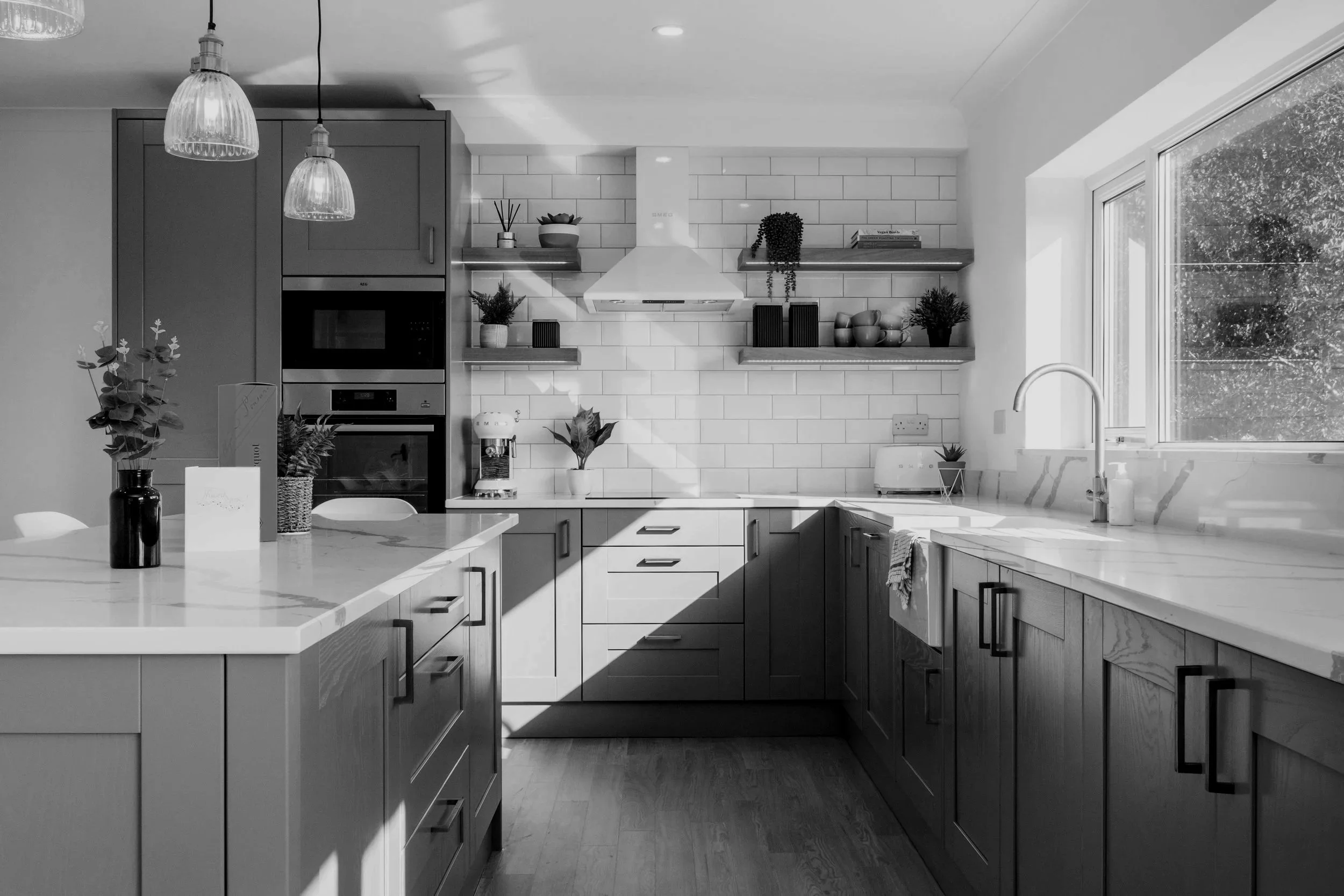
Working professionally has also taught me that you won’t always photograph the things you originally imagined photographing. With property photography, of course the multi-million-pound homes are exciting. Creatively, they can be some of the most enjoyable properties to work in. But that isn’t every job. Sometimes it is a much more ordinary house, and you still have to approach it with the same care. You don’t suddenly stop trying because the subject is less exciting. There is something useful in that. It gives you an opportunity to focus on the process and the technique without putting quite so much pressure on yourself to create something from a subject you are personally attached to.
Learning to read light
Photography always comes back to light. Property photography makes that particularly obvious because the conditions can change completely from one room to the next. Where is the sunlight coming from? Is it a bright day or a cloudy one? Is it early morning in the middle of winter? How much natural light is entering the room? How much artificial light is there? Do I need flash? Do I need to bracket the photographs? All of those decisions can change within the same house. There is a saying I heard a while ago that has stayed with me: You don’t shoot the subject. You shoot the light that is on the subject. The more I thought about it, the more it made sense. Whether I am photographing a property, a car, a person or something on the street, the light is fundamental.
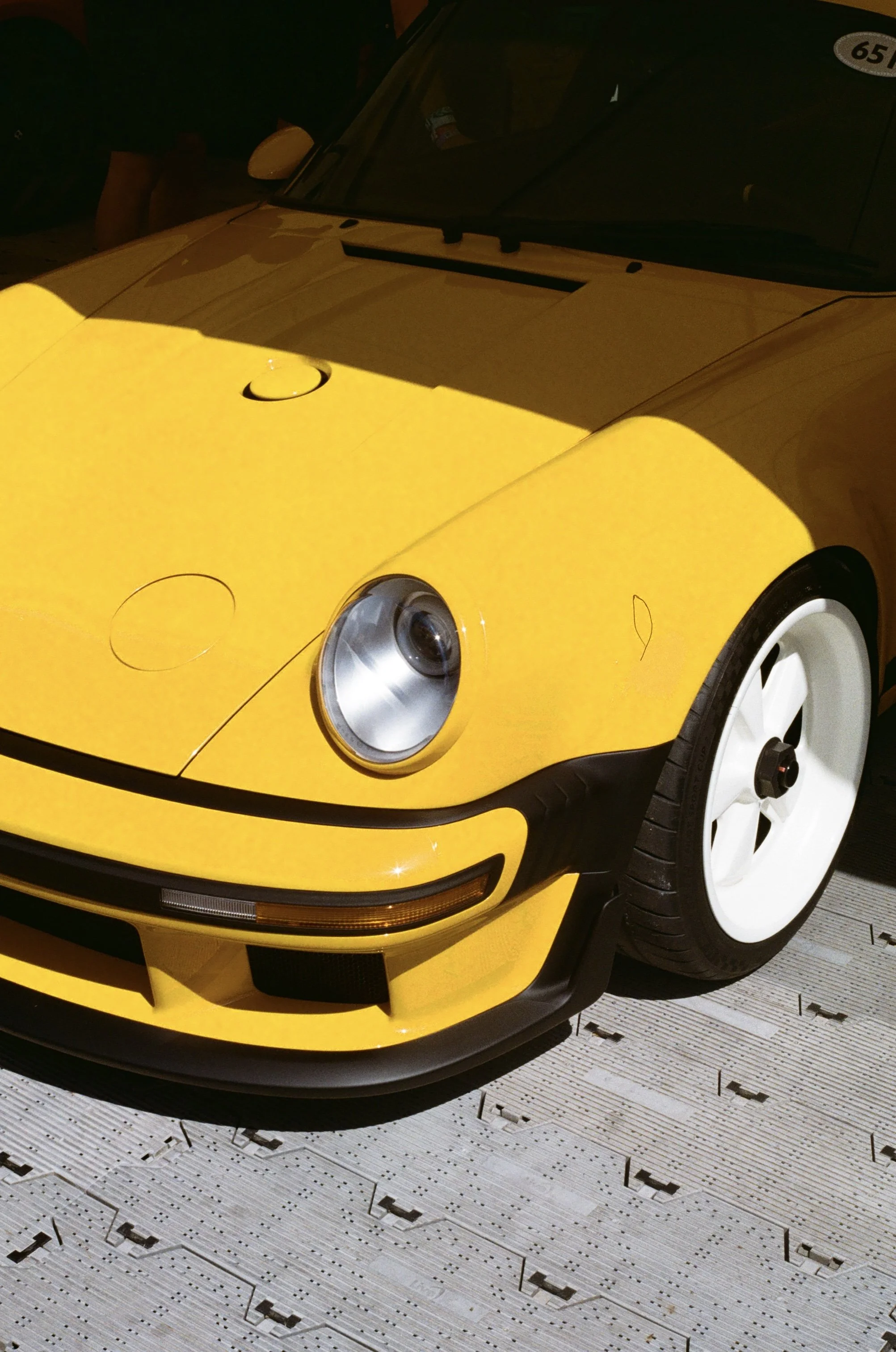
“You don’t shoot the subject. You shoot the light that is on the subject”
Editing is part of the photograph
When I was learning photography, I put a lot of pressure on myself to do everything in camera. Minimal editing felt like the sign of a successful photograph. After editing an enormous number of photographs throughout my professional and personal work, my view has changed. I still think you should do as much as you can in camera. That should be the baseline. But it doesn’t have to be the full stop. There are things that can be refined afterwards - exposure, colour and the overall treatment of an image. I’m not talking about composite photography or fundamentally changing what was there. I’m talking about developing the photograph through the edit. I’ve had to become more comfortable with the idea that not everything has to be finished at the moment the shutter is pressed.
Another lesson is simply that not all professional photography is exciting. I love taking photographs and I also work as a videographer, but professional work is still work. I’ve photographed weddings before and realised they aren’t really for me. Other photographers love them. Property photography can become repetitive too. But it pays the bills, and I’m still fortunate enough to be working professionally with a camera. I never set out when I was younger specifically wanting to photograph properties. It was something I naturally moved into. And despite the repetition, I still enjoy it.
Can repetition make you more creative?
I think it can. Doing the same kind of work repeatedly sharpens your instincts. You notice light more quickly. You understand colour better. Composition becomes more natural. Those are fundamental parts of photography, and once they become instinctive, you can carry them into whichever subjects you actually want to photograph. For me, that is cars. That is where a lot of my personal passion sits. And strangely, repetitive professional work can push me towards that. After spending a lot of time photographing properties, I want to go and photograph something else. I want to pick up the camera for myself. So although repetitive work can sometimes be monotonous and draining, I think it has ultimately made me a better photographer. It has taught me to work more intuitively, made me more aware of light and composition, and perhaps even pushed me to be more creative when I return to the subjects I genuinely love photographing.
Photographed and written by Aaron Jordan
Photography Note
All photographs in this Field Note were made by Aaron Jordan from real, observed moments. No scenes, subjects or environments have been generated.
Cameras used: Lumix S5 and Nikon F. Film: Kodak Gold.